Umrah vs Hajj: 10 Key Differences Every Pilgrim Should Know
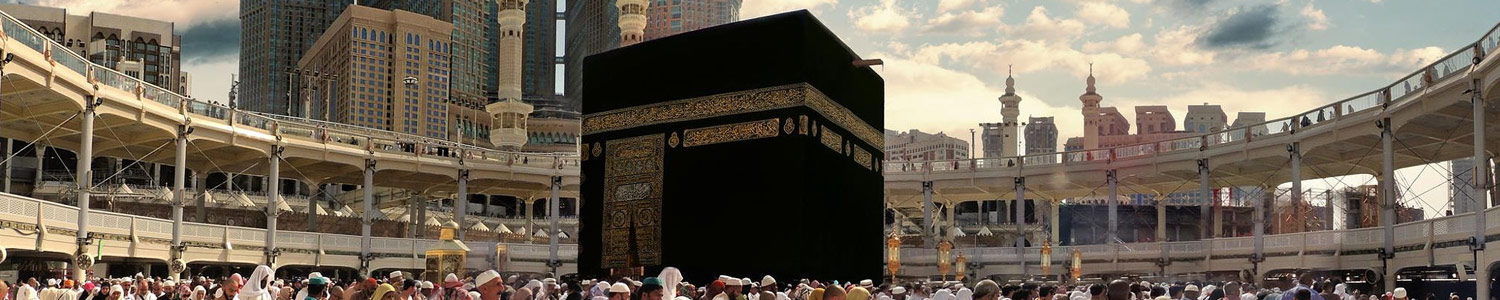
Umrah and Hajj both take pilgrims to the Kaaba in Makkah and share several rituals, but they differ in obligation, timing, length and cost. Understanding the difference helps you decide which journey to plan first.
Umrah and Hajj at a glance
Hajj is the fifth pillar of Islam: an obligation once in a lifetime for every adult Muslim who is physically and financially able. It takes place on fixed days in Dhul Hijjah, the twelfth Islamic month. Umrah is a shorter pilgrimage that can be performed in most of the year and repeated many times.
10 key differences compared
| Aspect | Umrah | Hajj |
|---|---|---|
| 1. Status | Sunnah mu’akkadah or obligatory once, depending on the school | Pillar of Islam, obligatory once if able |
| 2. Timing | Most of the year | 8–13 Dhul Hijjah only |
| 3. Duration of rites | A few hours | Five to six days |
| 4. Places visited | Masjid al-Haram only | Masjid al-Haram, Mina, Arafat and Muzdalifah |
| 5. Core rituals | Ihram, Tawaf, Sa’i, Halq or Taqsir | Adds standing at Arafat, stoning the Jamarat and sacrifice |
| 6. Standing at Arafat | Not part of Umrah | The most essential rite of Hajj |
| 7. Animal sacrifice | Not required | Required for Tamattu‘ and Qiran pilgrims |
| 8. Visa | Tourist eVisa or Umrah visa | Hajj visa only, through official national quotas or Nusuk Hajj |
| 9. Crowd size | Varies by season | Typically 1.5–2 million pilgrims at the same time |
| 10. Cost | Flexible, from budget to luxury | Higher, due to quotas, camps and a longer stay |
The rituals in each journey
Umrah
Umrah has four parts: entering Ihram at the Miqat, seven circuits of Tawaf around the Kaaba, seven laps of Sa’i between Safa and Marwah, and shaving or trimming the hair. Our step-by-step Umrah guide explains each one with its duas.
Hajj
Hajj includes Ihram, Tawaf and Sa’i, and adds the days in Mina, the standing at Arafat on 9 Dhul Hijjah, the night at Muzdalifah, stoning the Jamarat, the sacrifice, Tawaf al-Ifadah and the farewell Tawaf. The Prophet ﷺ said, “Hajj is Arafah” (Sunan al-Tirmidhi 889), showing that missing the standing at Arafat means missing Hajj.
Reward and virtue
Both journeys carry immense reward. The Prophet ﷺ taught that an accepted Hajj has no reward except Paradise, and that one Umrah to the next expiates the sins between them (Sahih al-Bukhari 1773). He also said that Umrah in Ramadan equals Hajj in reward (Sahih al-Bukhari 1782) — although it does not remove the duty of Hajj.
Which should you do first?
If you are able to perform Hajj, scholars generally advise not to delay it, since it is an obligation. In practice, Hajj places are limited by quotas and waiting lists in many countries, so many Muslims perform Umrah first. A first Umrah also teaches you the rituals of Ihram, Tawaf and Sa’i, which makes Hajj easier later. Read about the best time for Umrah to plan your first trip.
Combining Umrah and Hajj
There are three ways to perform Hajj. In Tamattu‘, the most common for international pilgrims, you perform Umrah first, leave Ihram, then enter it again for Hajj. In Qiran, Umrah and Hajj are joined in a single Ihram. In Ifrad, you perform Hajj alone. The first two require a sacrifice.
Planning Umrah now? Explore Umrah packages for every country and check the visa rules for your passport.